Recitallion

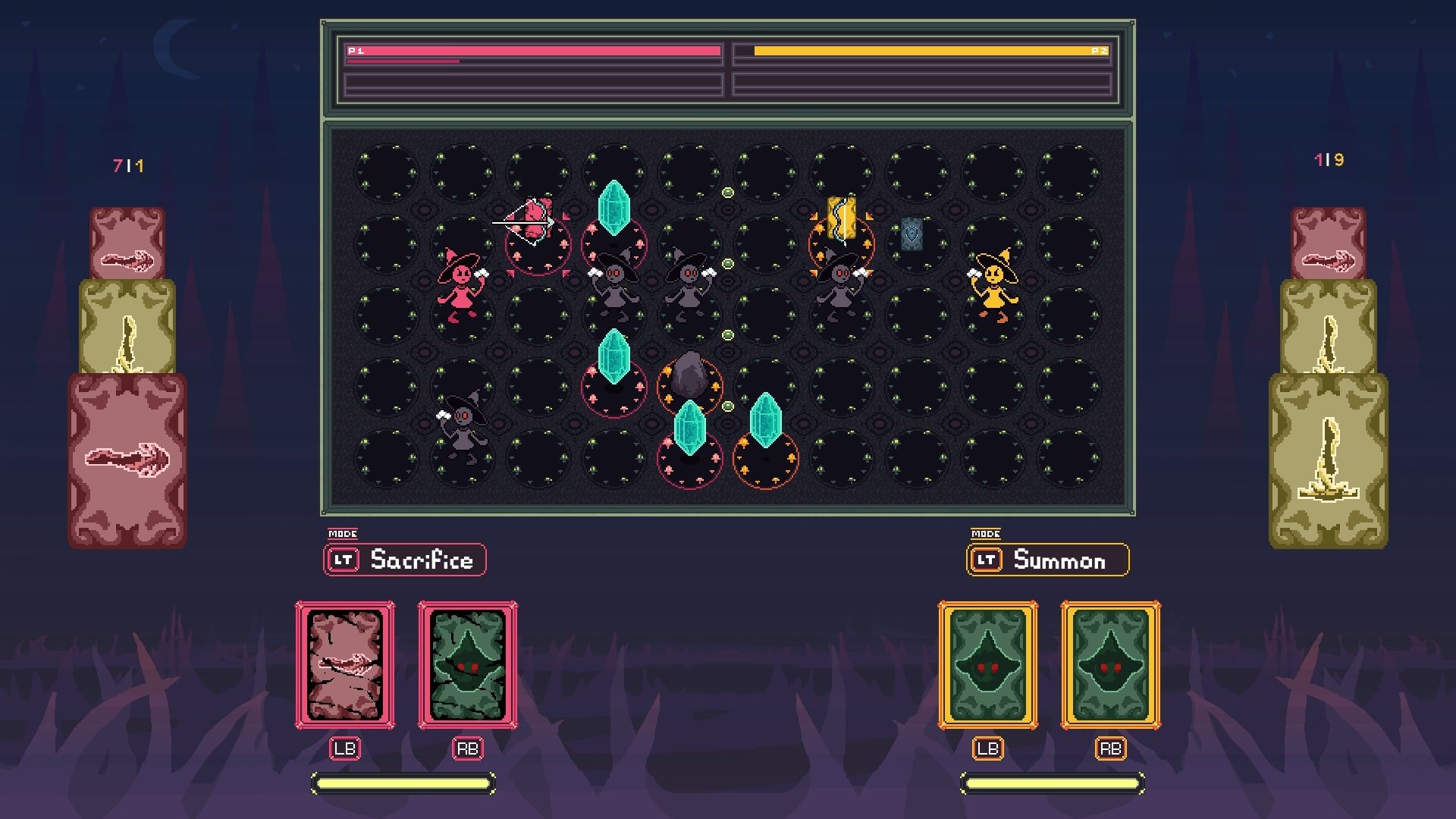
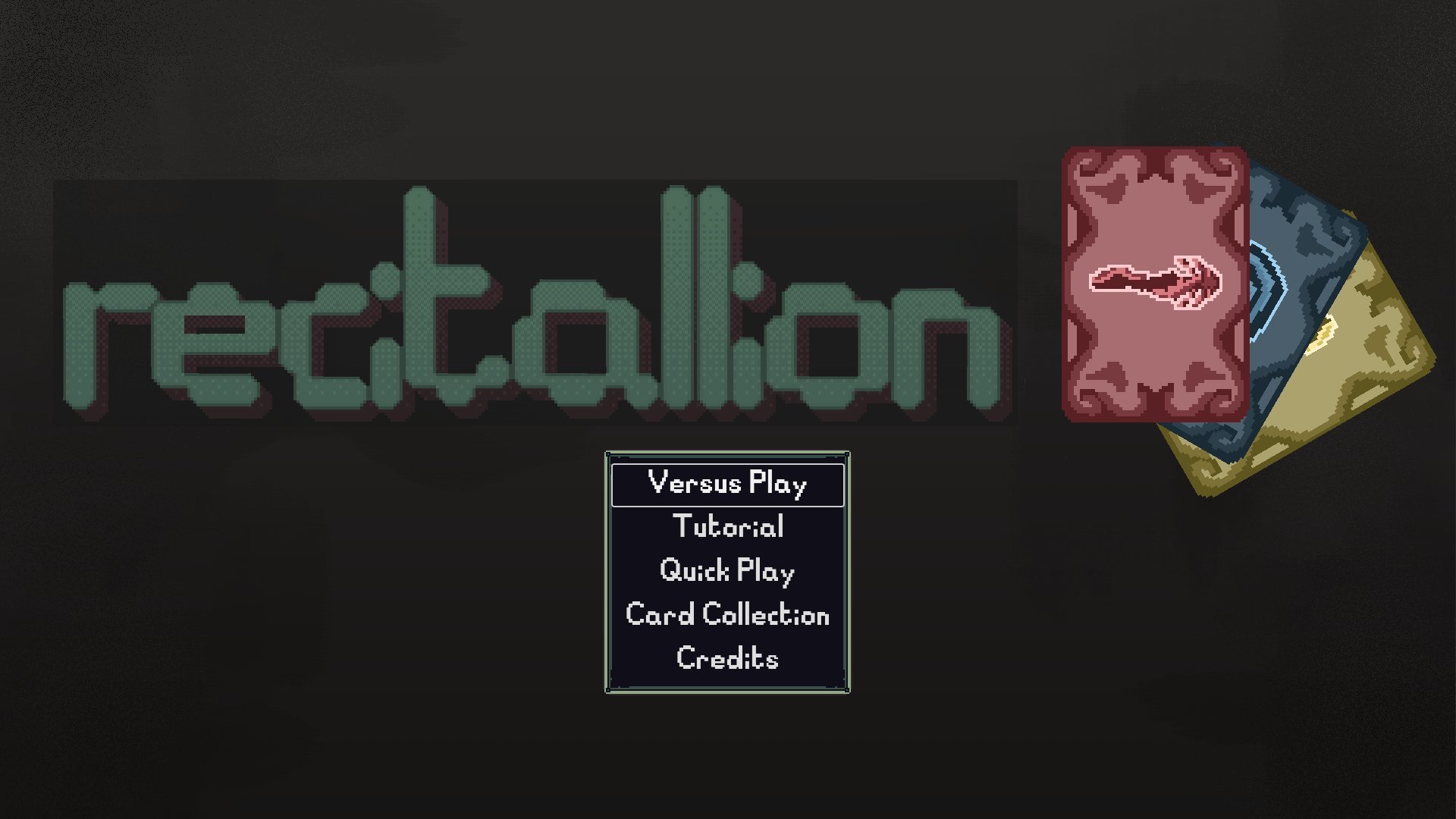
Recitallion is a 2D grid based real time card game fighter. Engage in 1v1 or 2v2 bouts in which you beat your opponent using spell cards. Sacrifice the cards in your hand for powerful one-time effects or summon them for long-term support in battle. There is one catch though: summon theft. If your opponent defeats one of your summons, they can add it to their own deck to play against you! The game promises strategic but hectic combat, where good summon placements and smart use of sacrifices are key to winning the battle, as well as tense gameplay where comebacks are always possible thanks to the summon theft mechanic.
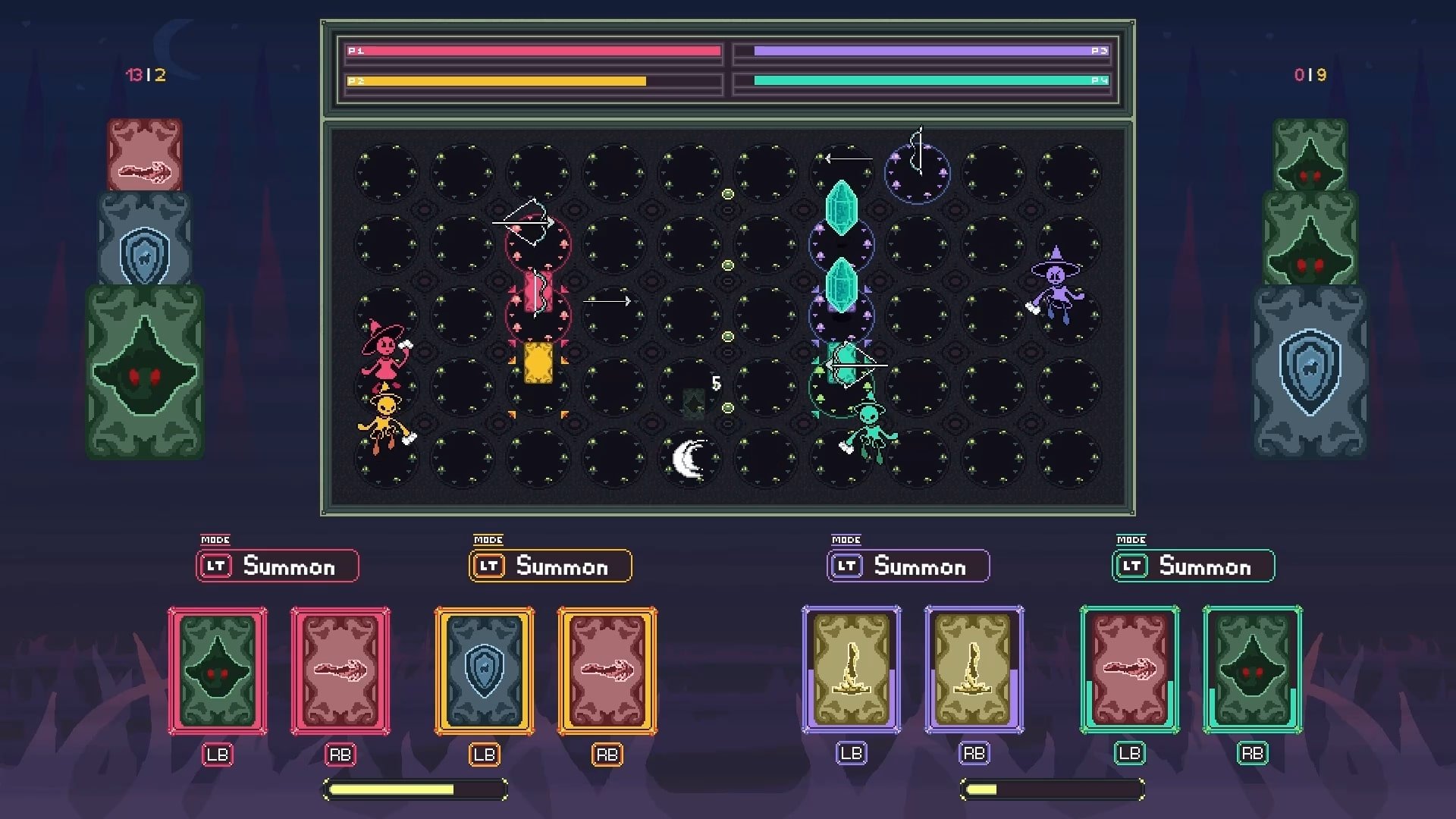
Team Shogi Cards:
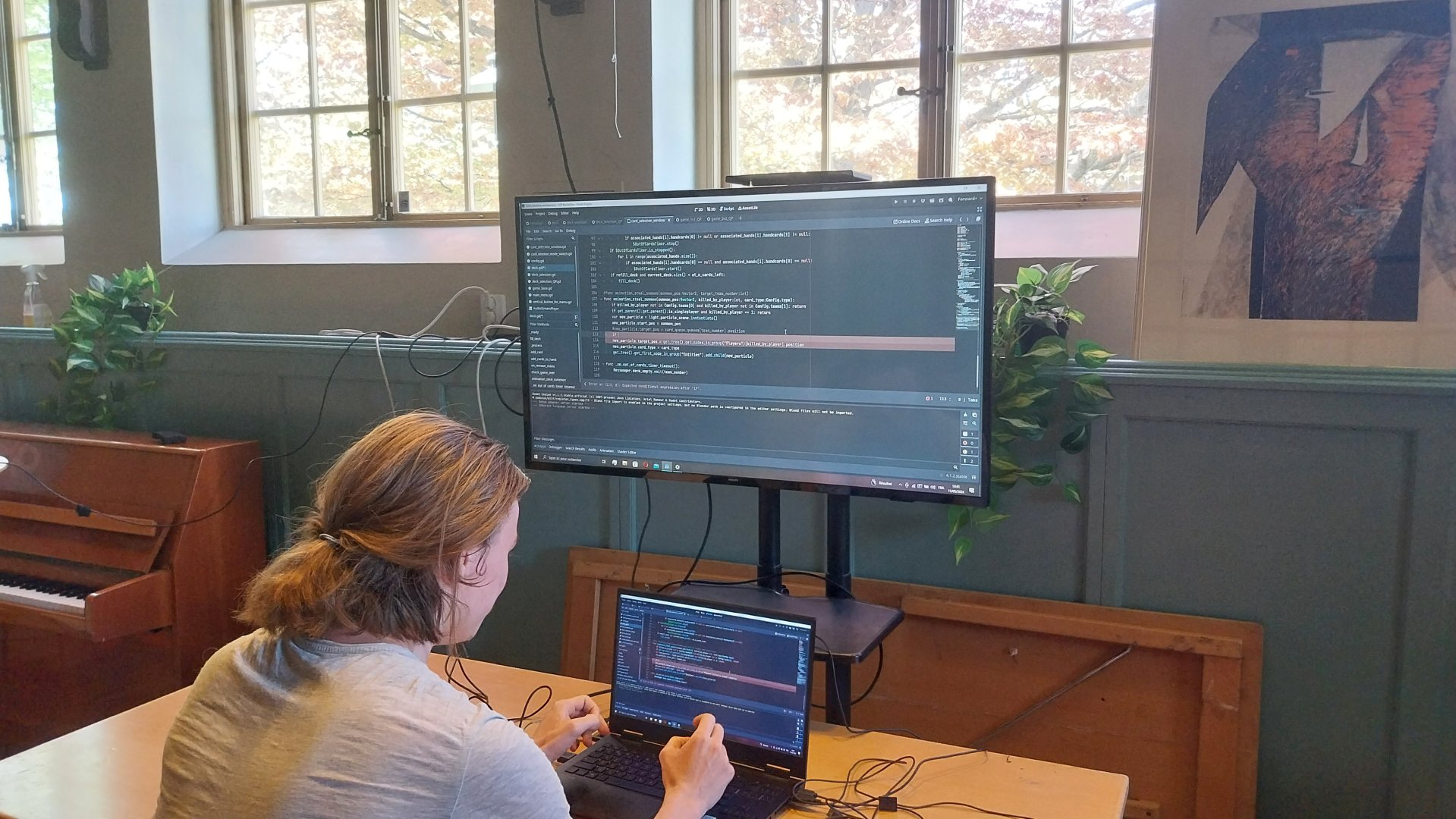
  • Dani-Alys Rizal
  • Tomas Maslejak
  • Philipp Rossbach
  • Hanna Alvelais

Rat Race

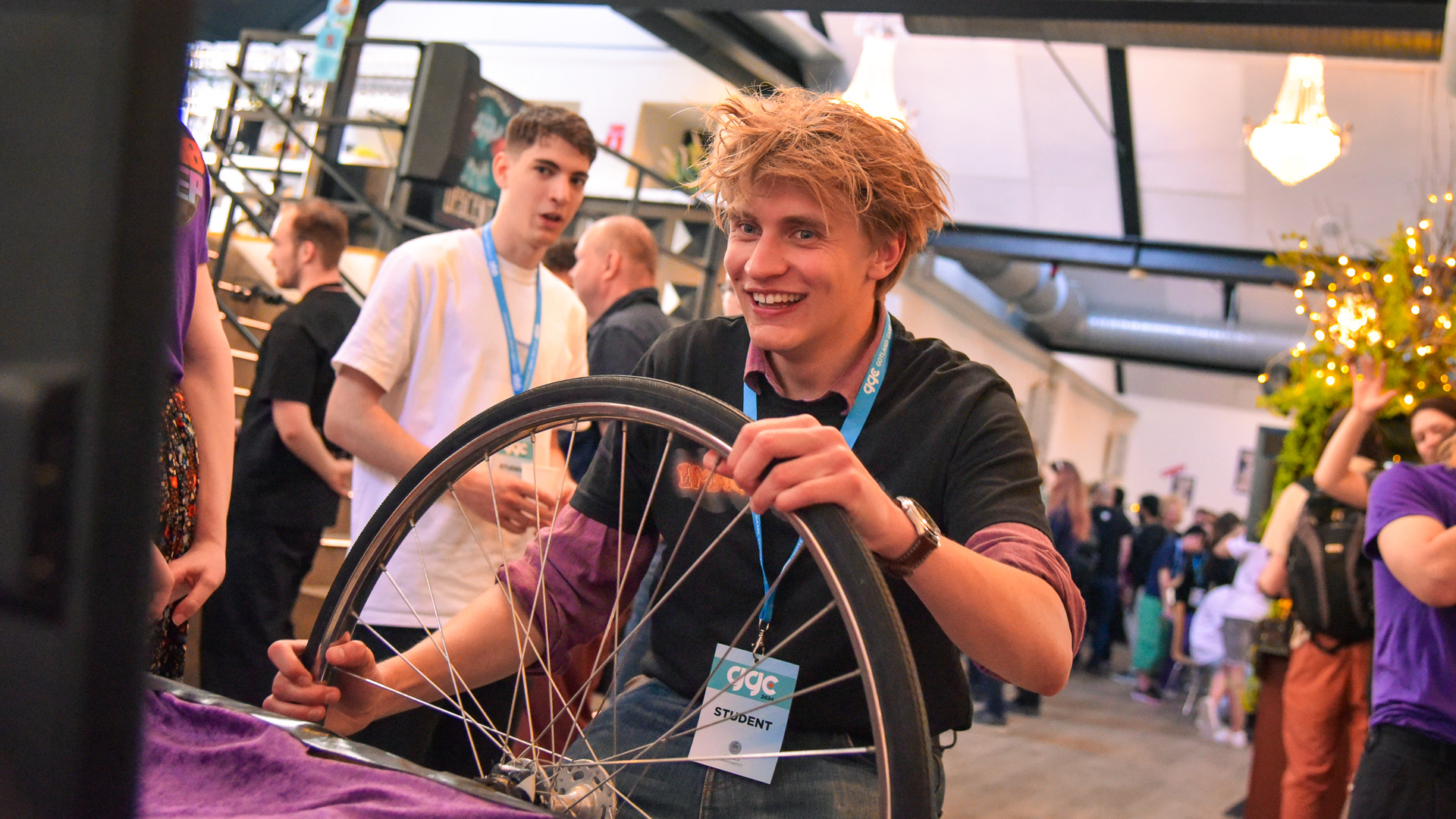
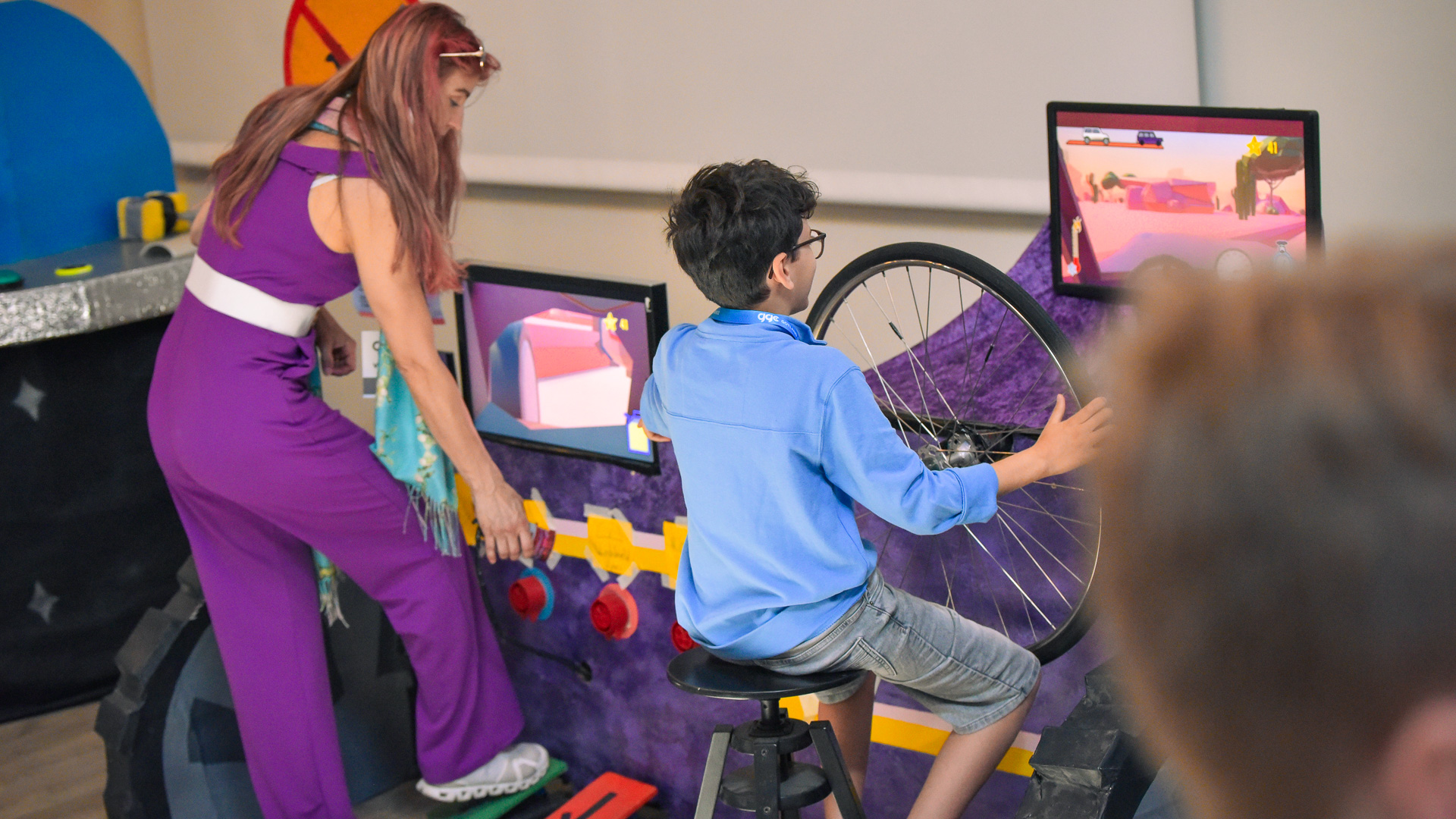
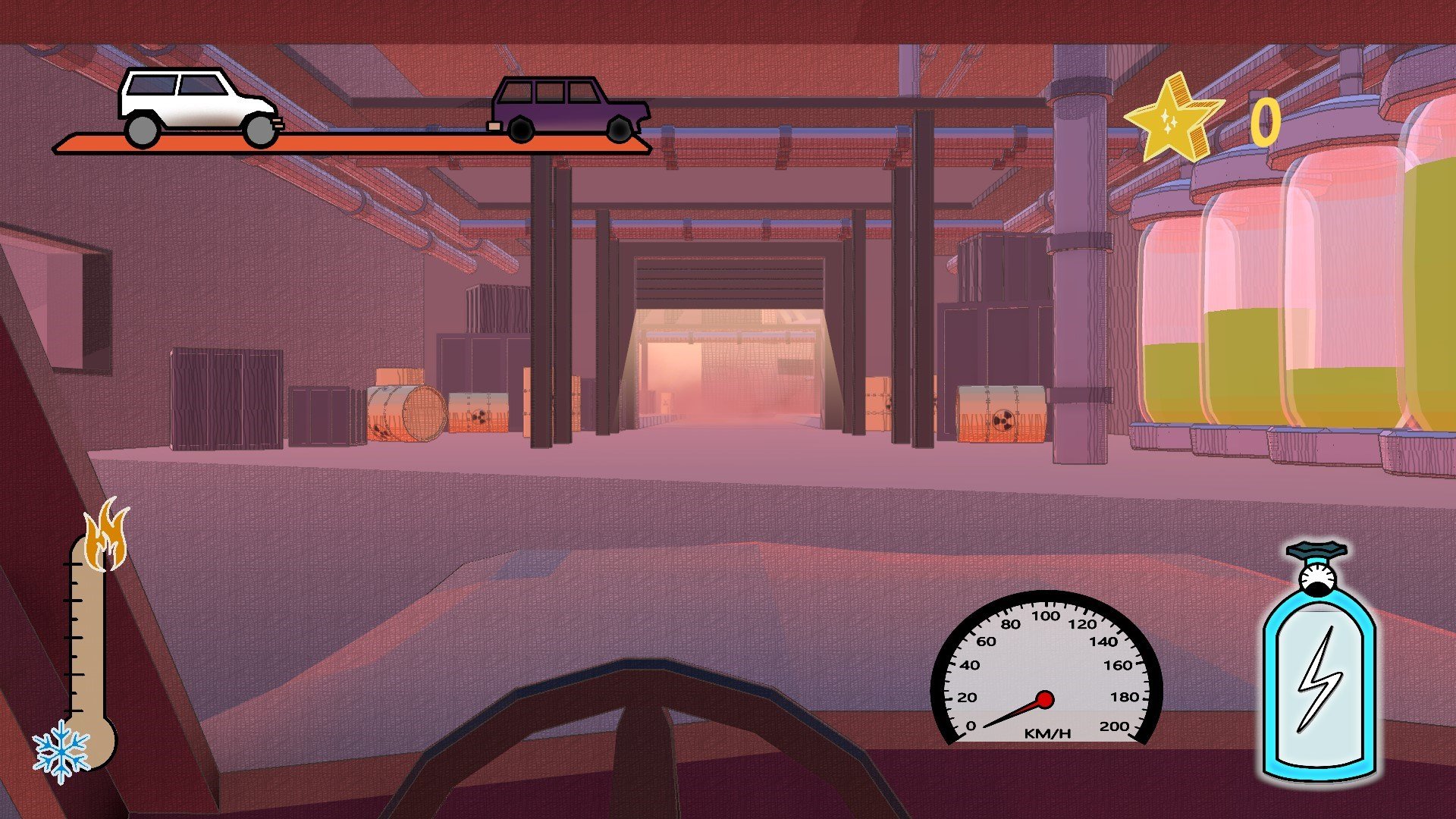
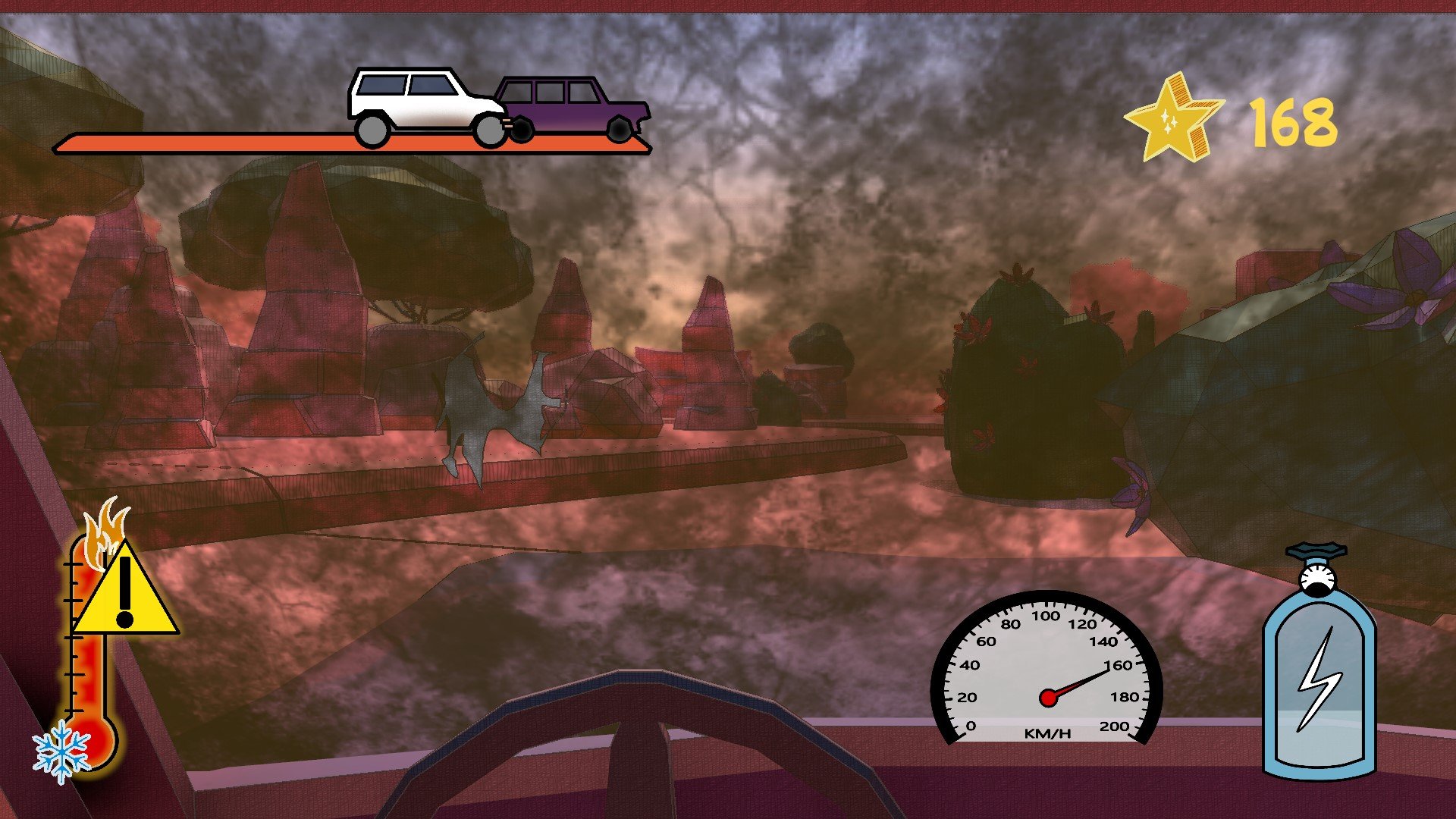
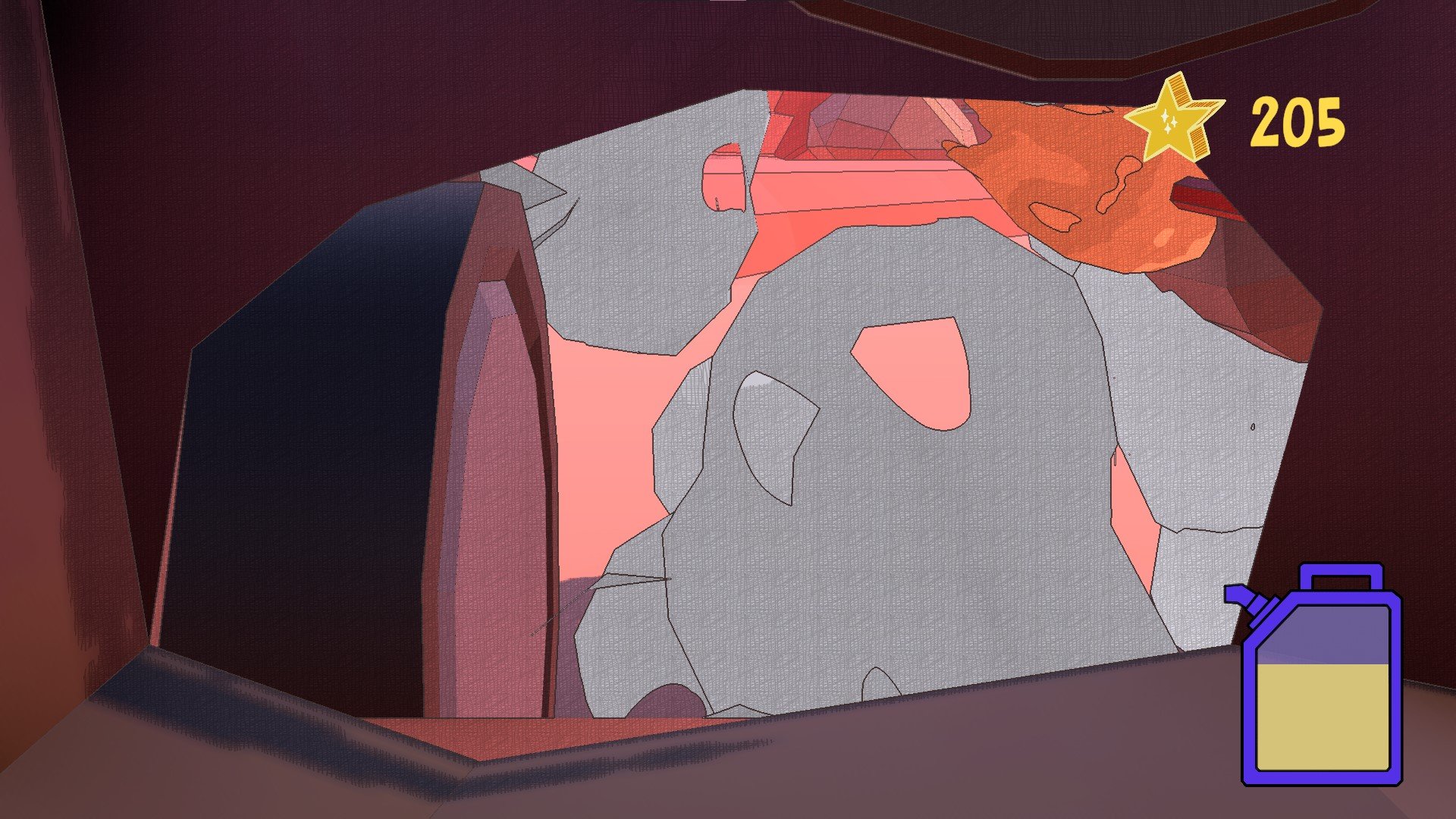
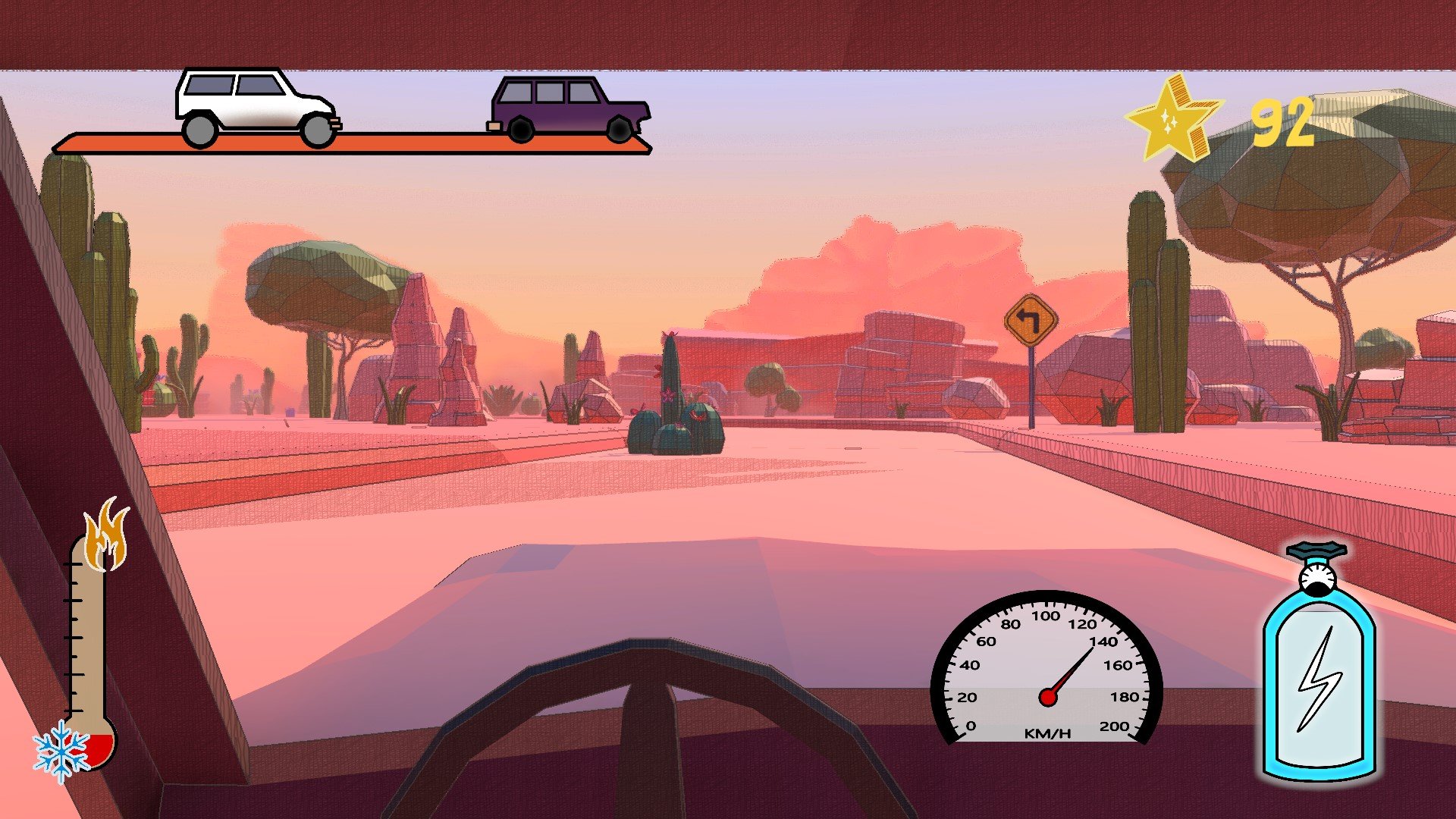
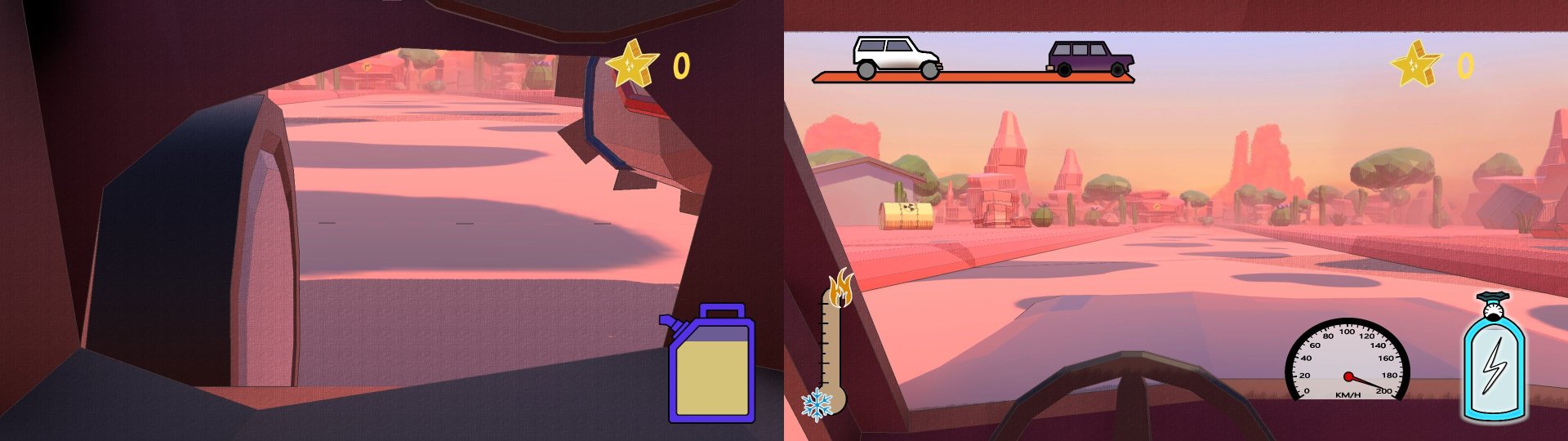
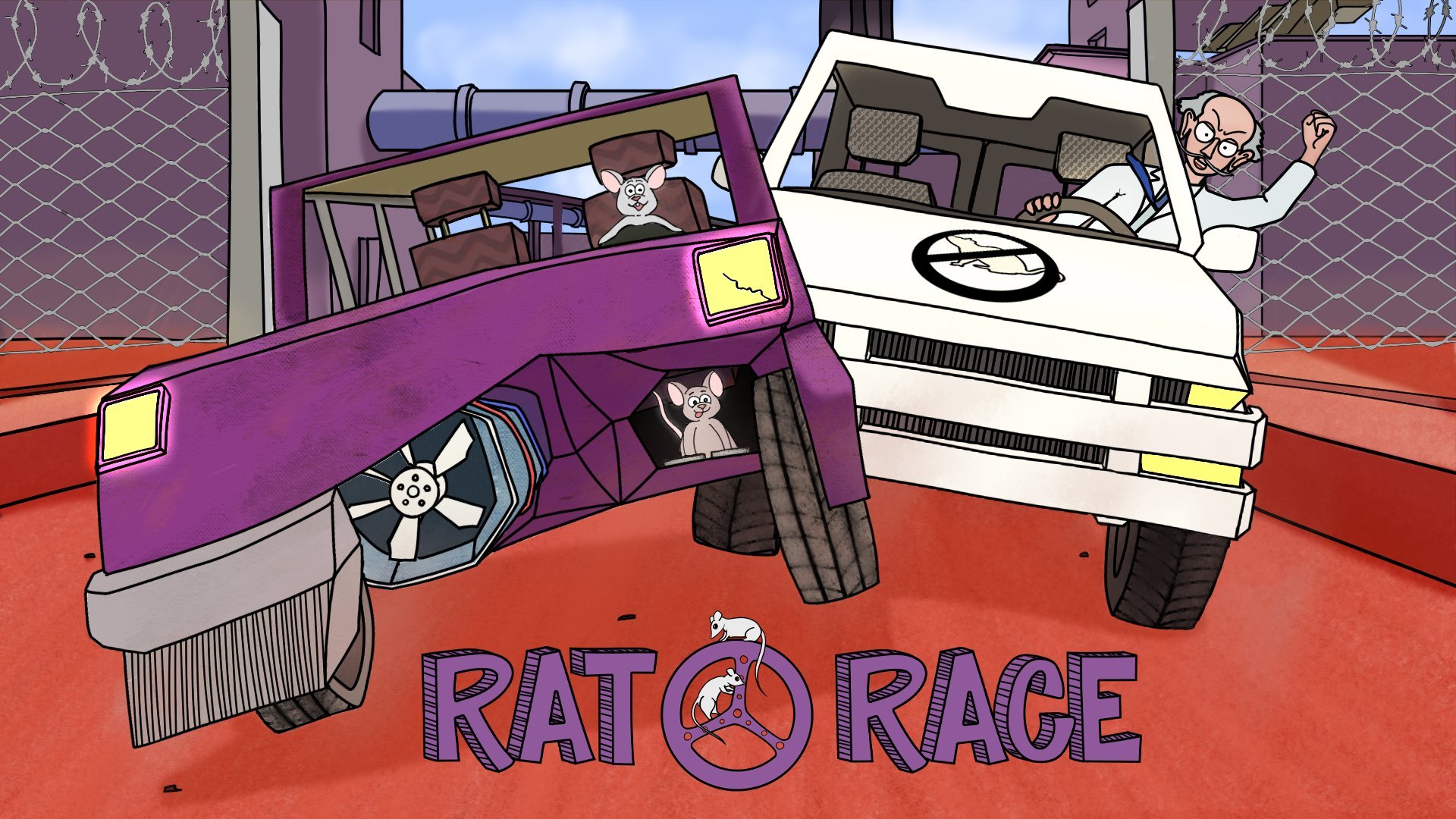
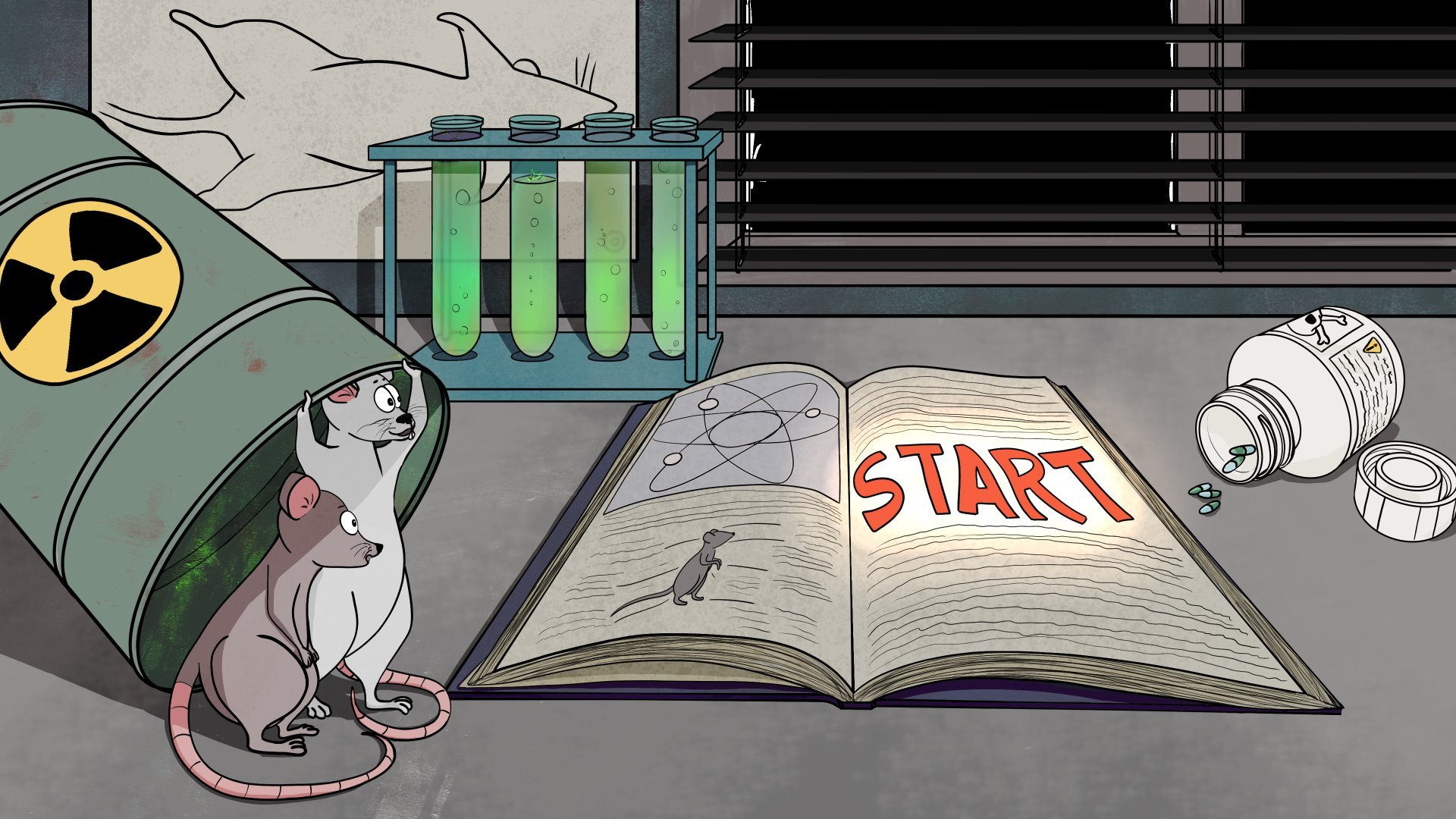
“Rat Race: Escape from the Lab” is a co-op racing game set in a chaotic world where laboratory rats escape from a research facility. Players team up, having to work together to steer the car and navigate through obstacles. The game offers a unique blend of cooperative gameplay and high-speed racing action. One player controls the steering, maneuvering through the terrain and avoiding obstacles, while the other player manages acceleration, braking, and power-ups to outpace pursuers and achieve the highest score possible.

Team Rat Racers:

  • Antonia Lönnberg
  • Thuy Tien Ha
  • Nela Niemirska
  • Elsa bureborn
  • Oskar Larsson
  • August Tinnerholm
  • Linn Line

R:EON

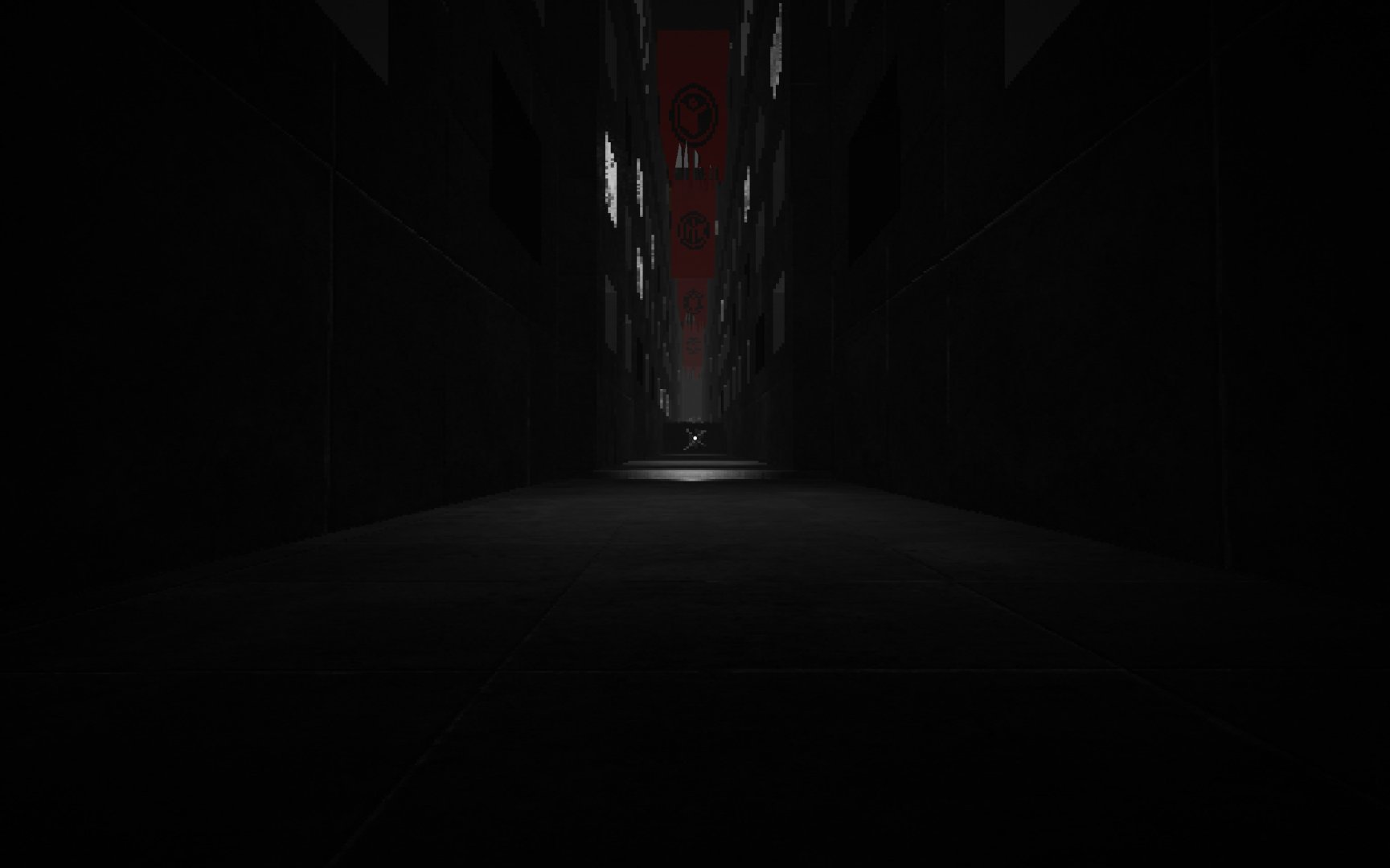
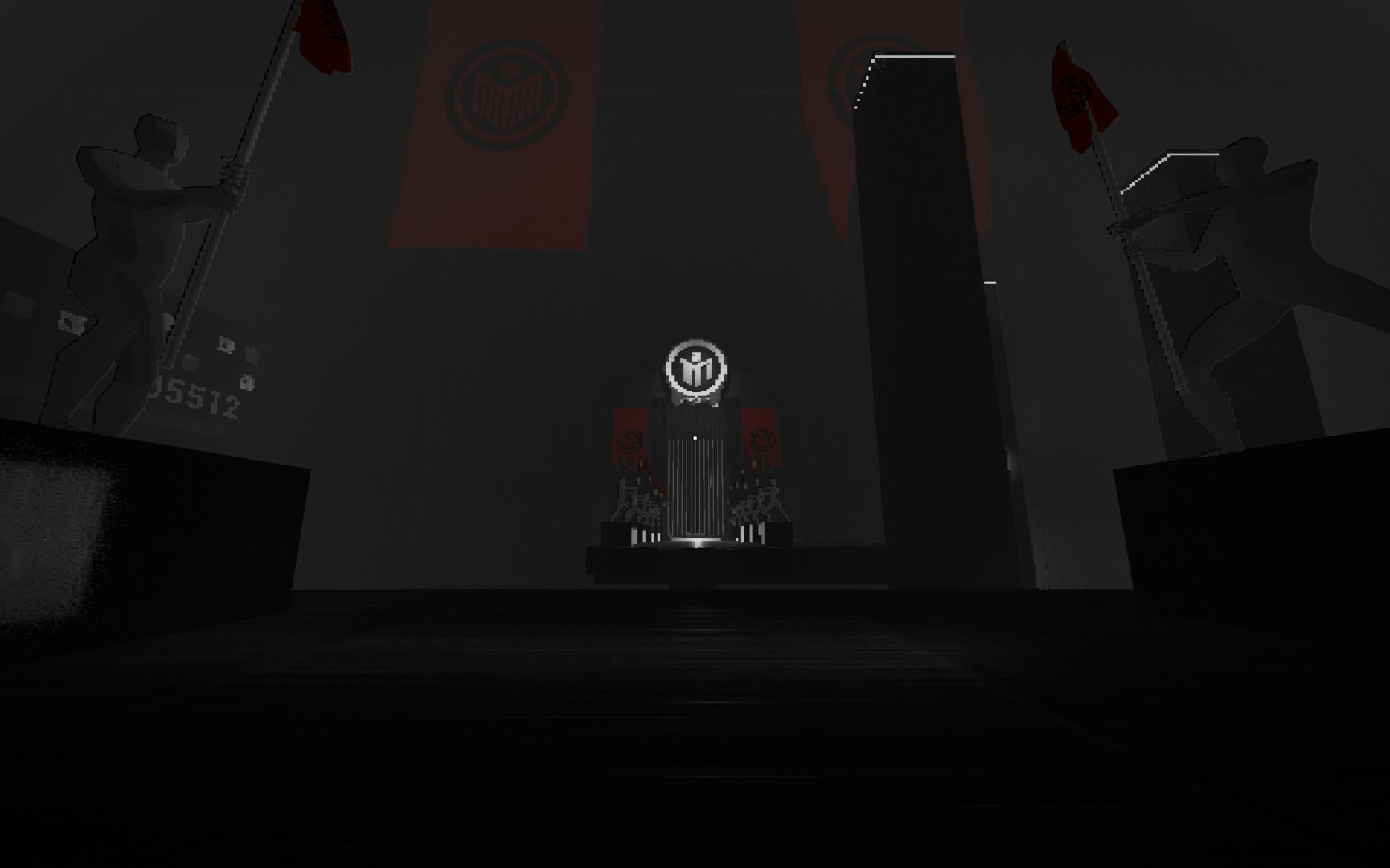
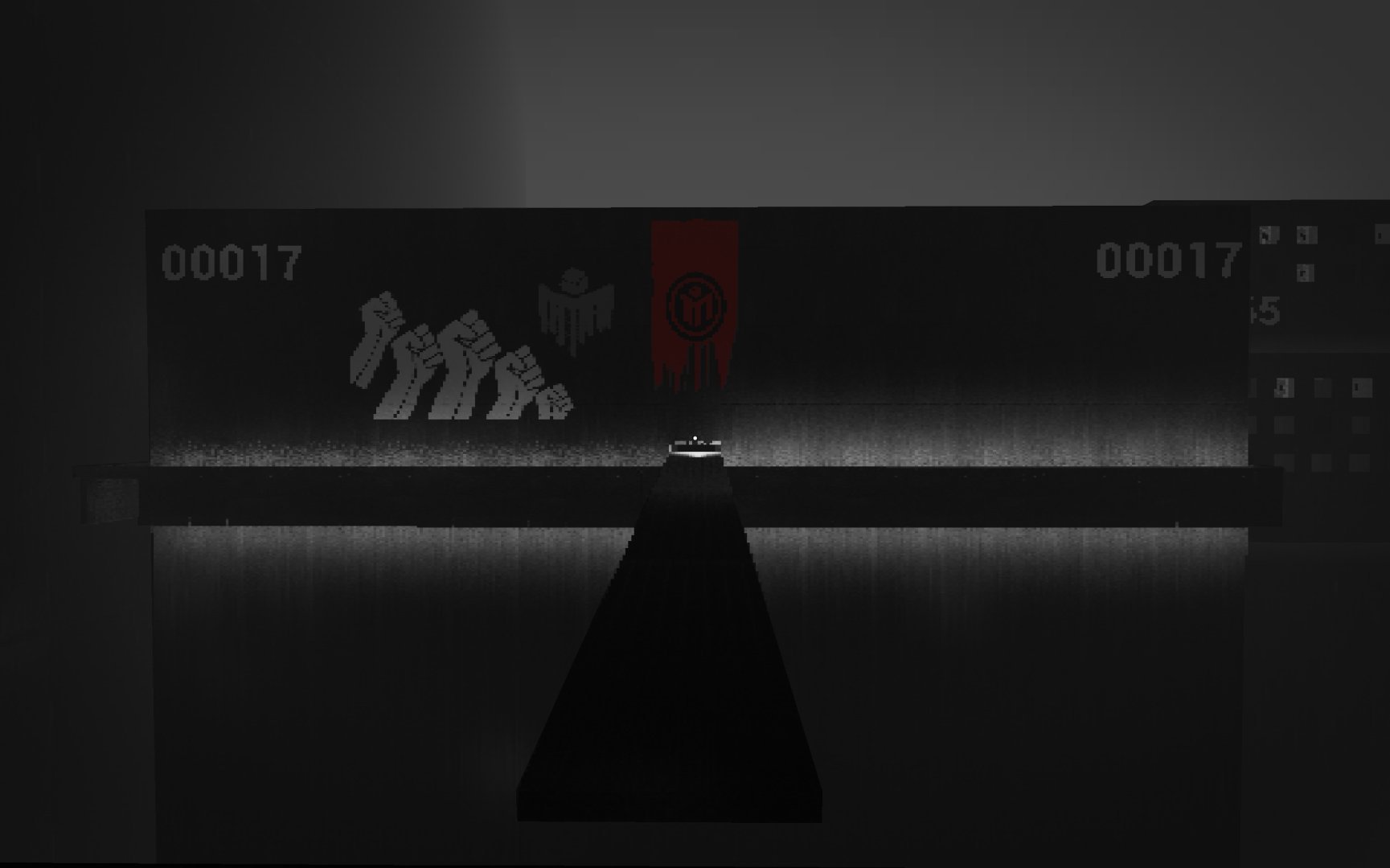
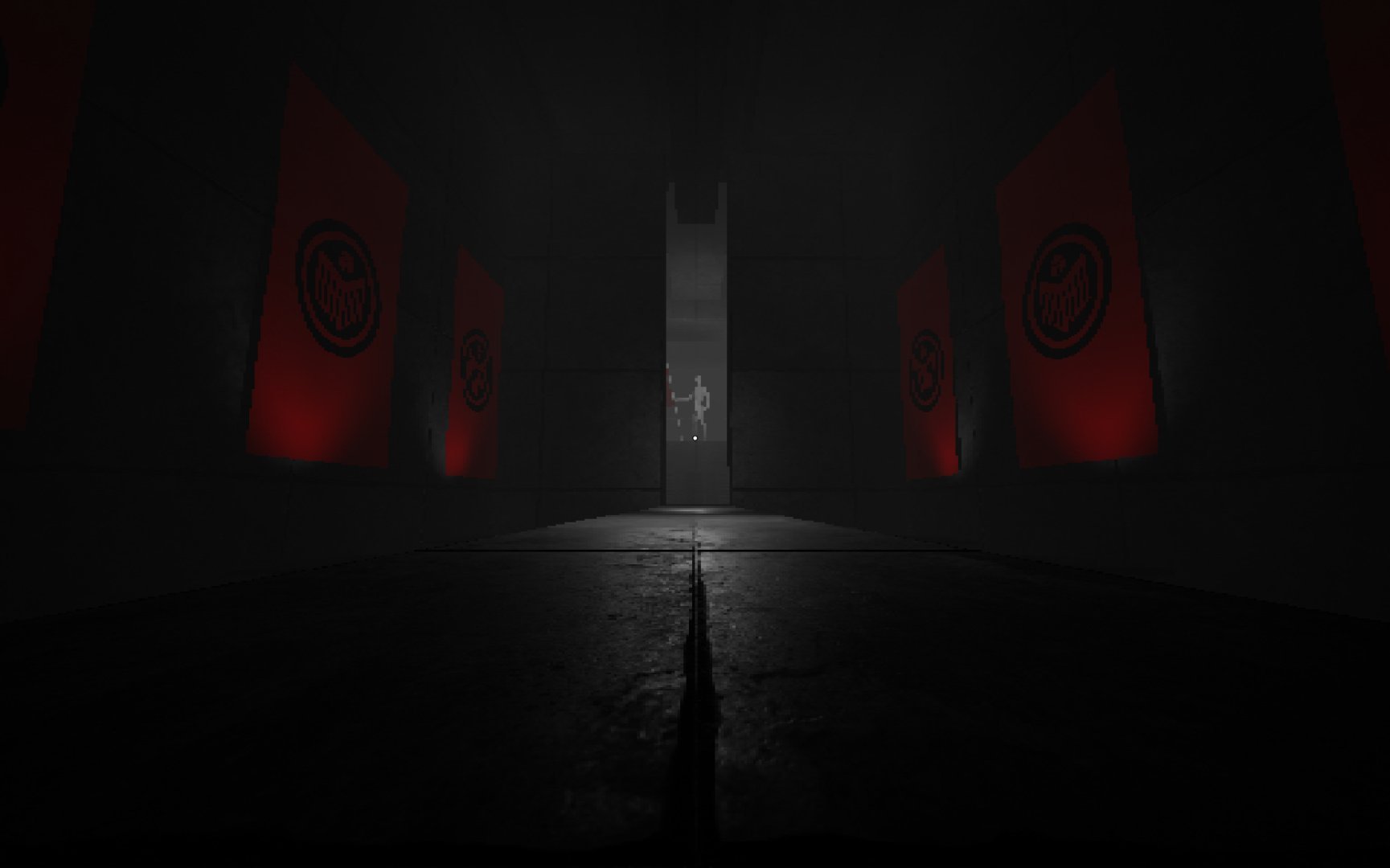
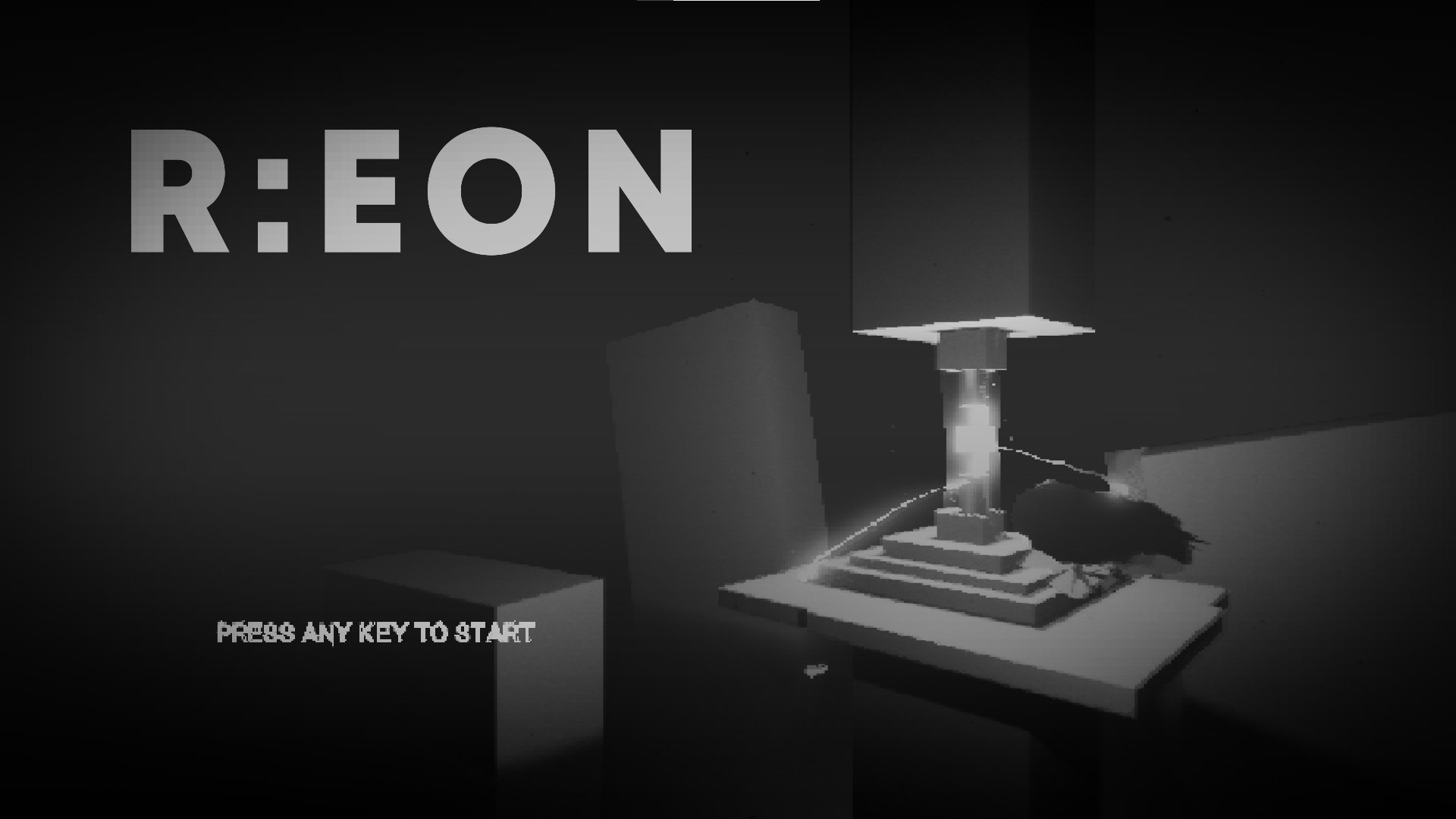
R:EON was made by 4 people for a production thesis that researches the communication of narrative through environment and architecture in a fast-paced first-person game. Developed in Unreal Engine 5, it features a fast-paced chase where the player must escape the ever-present threat of an abstract creature. The gameplay revolves around precision-based platforming and quick thinking. Visually, it relies heavily on post-processing and particles to create a unique visual style. The environment draws inspiration from brutalist architecture and its design philosophy centered around a lack of individualism. The narrative centers on escaping a world previously inhabited by a society controlled by a totalitarian government and retrieving a powerful artifact to open a gate to freedom. The design goal of the game is to induce anxiety and stress through semi-distorted visuals and a sense of insignificance and melancholy through the scale and connotation of the environment.

The thesis is available on DiVA: Enhancing Attention to Environmental Narrative in Fast-Paced First-Person Gaming: A case study of Project Chaser

Team 21:

  • Faruk Osmanagaoglu
  • Tiger Sun
  • André Fuladianpour Dahl
  • Jacob Bekele Jansson

News Speak

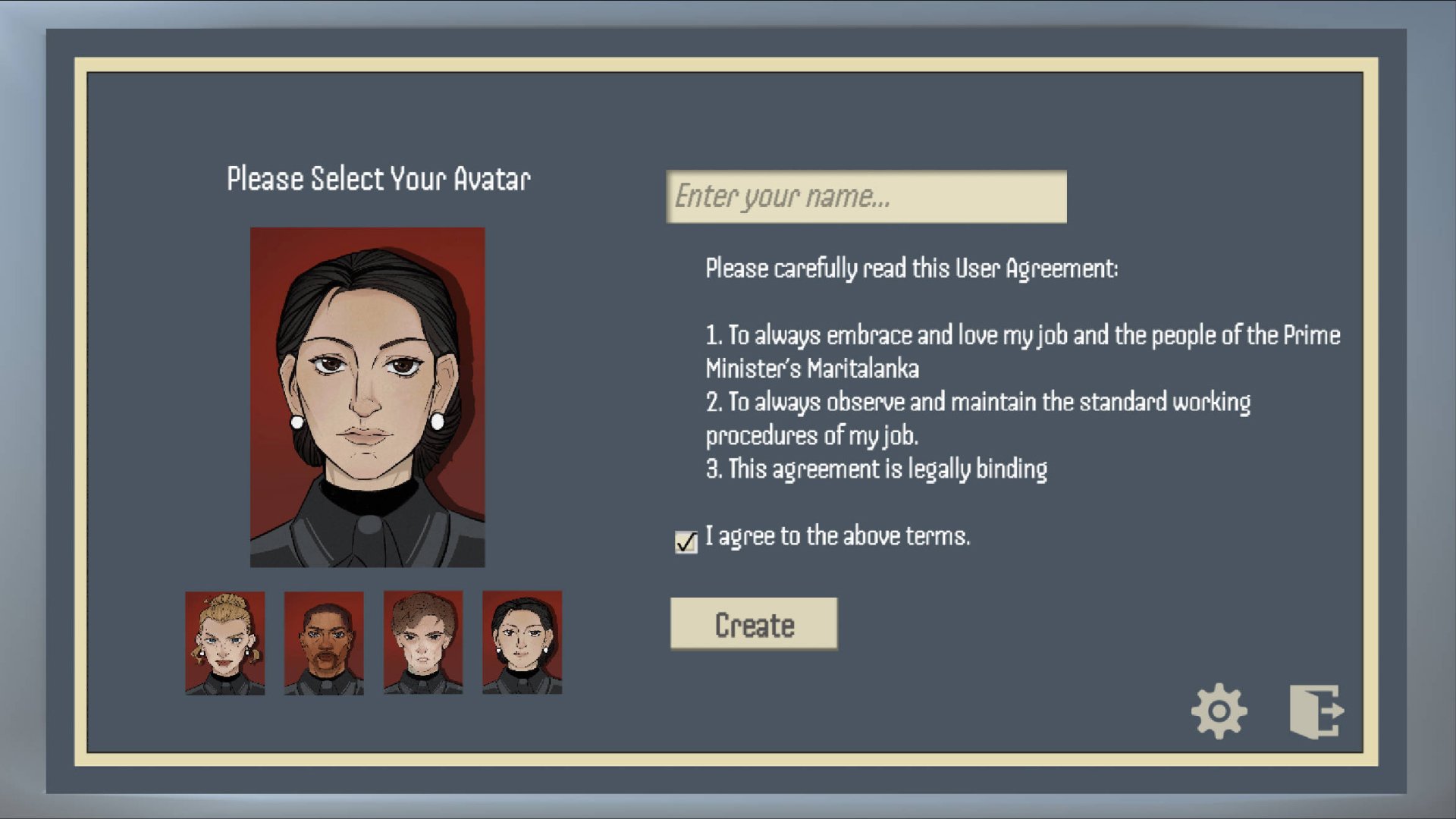
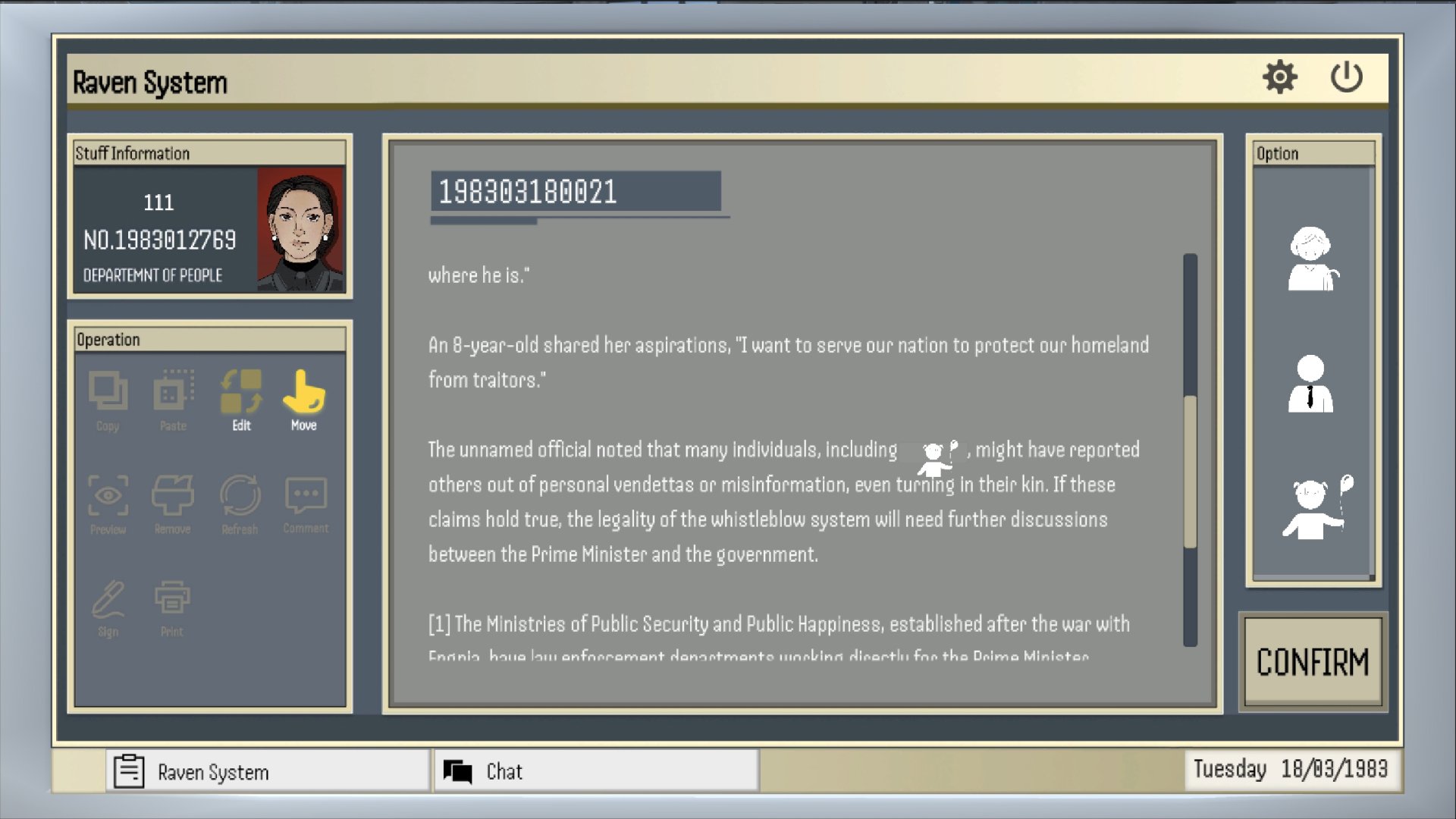
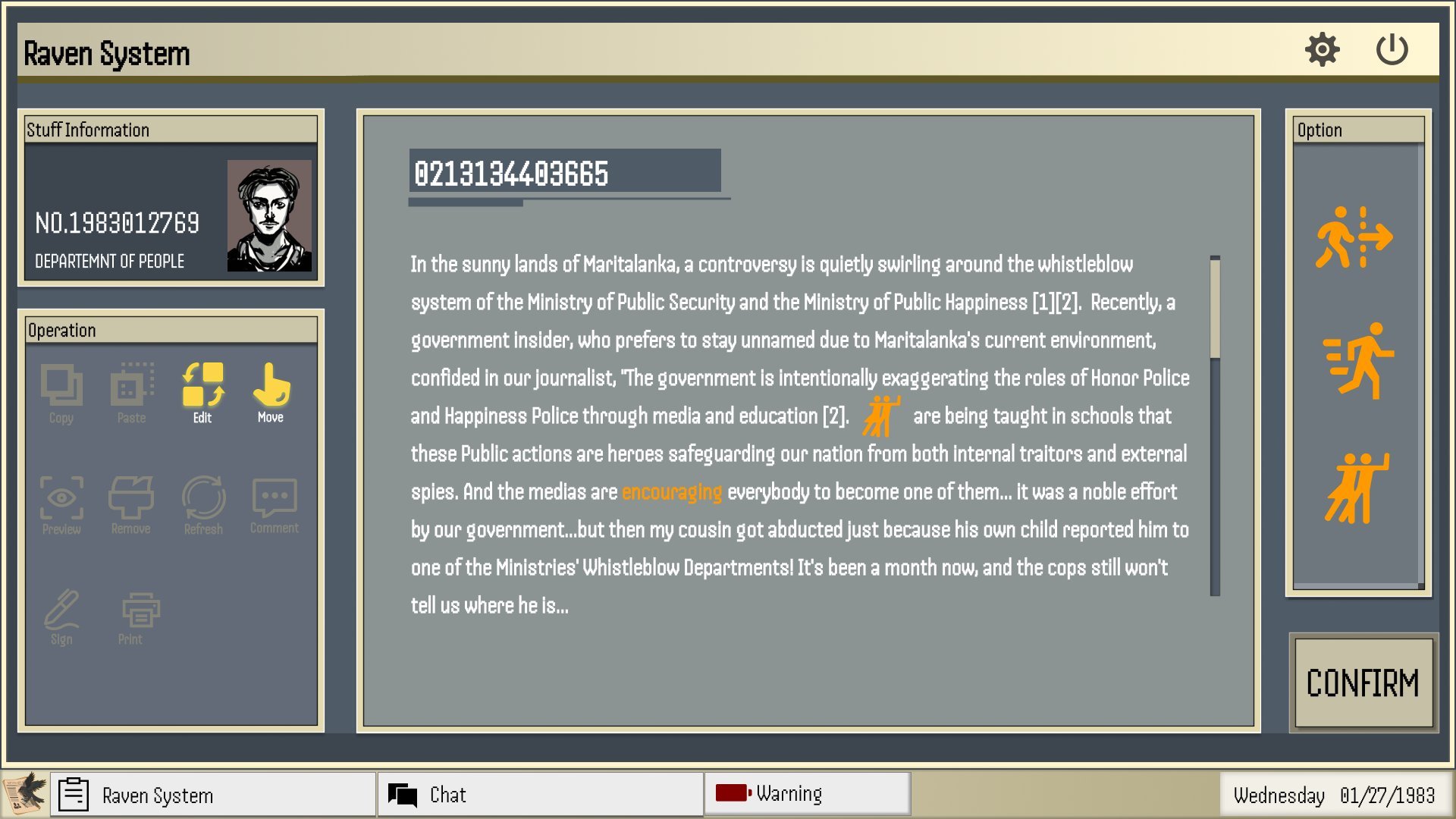
News Speak is a puzzle simulation game set in a dystopian authoritarian nation, where players act as censors in the “Ministry of Public Happiness.” Players edit news articles by replacing sensitive words with graphic signs, affecting public perception and the state’s politics. The game is set in a post-war country under a coercive new government that controls all media. The Ministry uses semiotics to censor content, preventing dissent. Players choose from graphic signs to replace words in news texts, such as replacing “beat” with an icon of a swinging bat or flowers. These choices influence public understanding and can either obscure the news to prevent unrest or maintain a semblance of truth, affecting the nation’s future. The game mechanics are inspired by the Newspeak language from George Orwell’s “1984,” and explore semiotics theories by Charles Sanders Peirce and information theory by Claude Shannon. Players face the challenge of shaping the narrative through strategic censorship, reflecting on the impact of language and control in shaping public consciousness. News Speak integrates these elements into its gameplay, challenging players to navigate the ethical and political dimensions of information control.

Team:

  • Hao Liu
  • Ziwei Wang
  • Baoliri
  • Siyuan Zhang
  • Zihan Wang
  • Zhewen Luo
  • Zhaoxia Quan